Alerting and Anomaly Detection

Turn monitoring signals into alerts the right team can act on

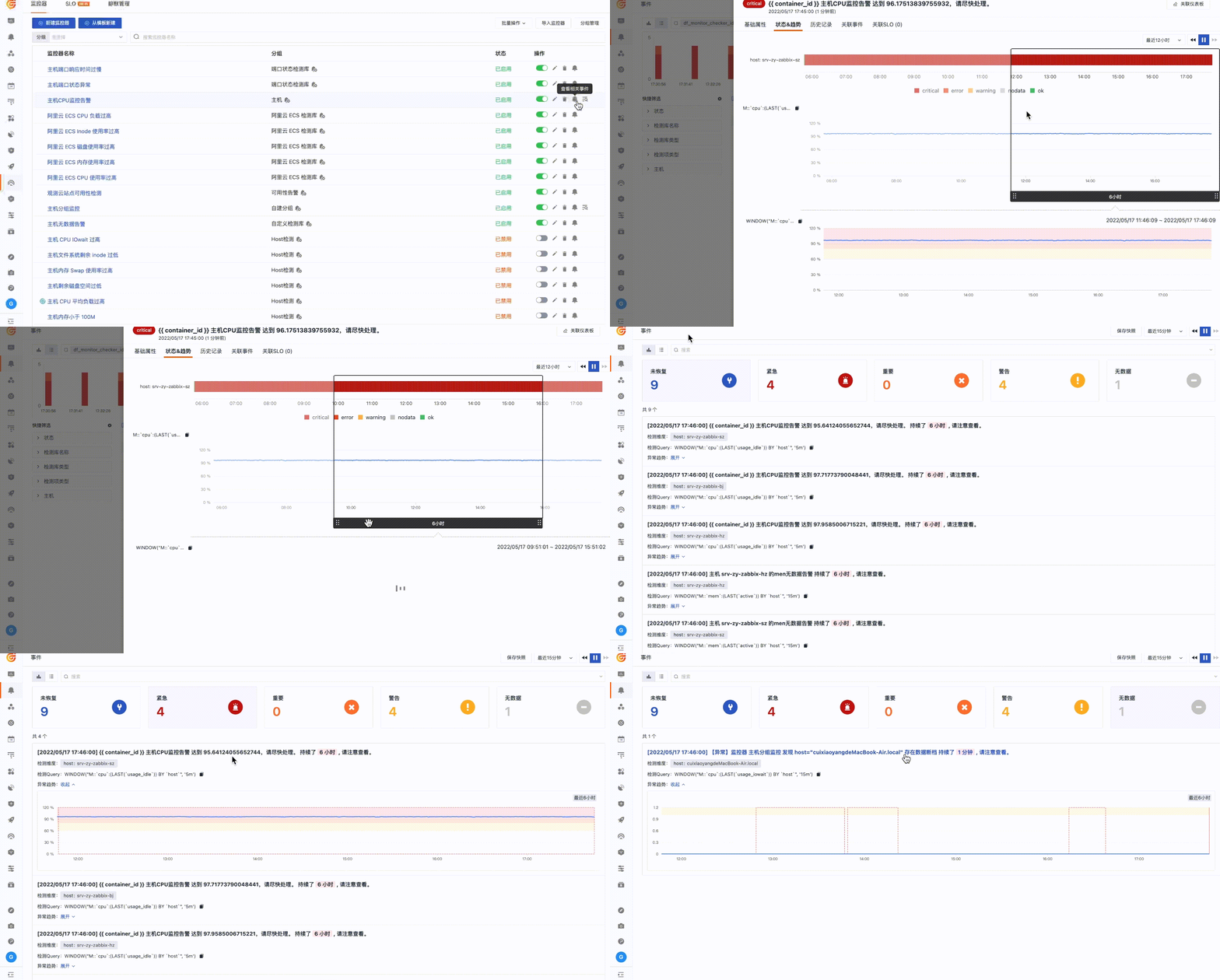
Guance Alerting evaluates metrics, logs, traces, availability checks, events, and business data with threshold, change, log, and DQL-based rules. Severity, recovery, mute, and routing controls help teams reduce noise and continue from an alert into the evidence behind it.

Turn monitoring signals into alerts the right team can act on

What alerting helps you solve

Detect the condition, route it by impact, and preserve the investigation context

An alert should identify what changed, who owns it, and where to investigate next. Guance combines flexible detection rules with severity, recovery, muting, routing, and links to the telemetry that triggered the alert.

Start with proven checks, then add rules for the services that matter
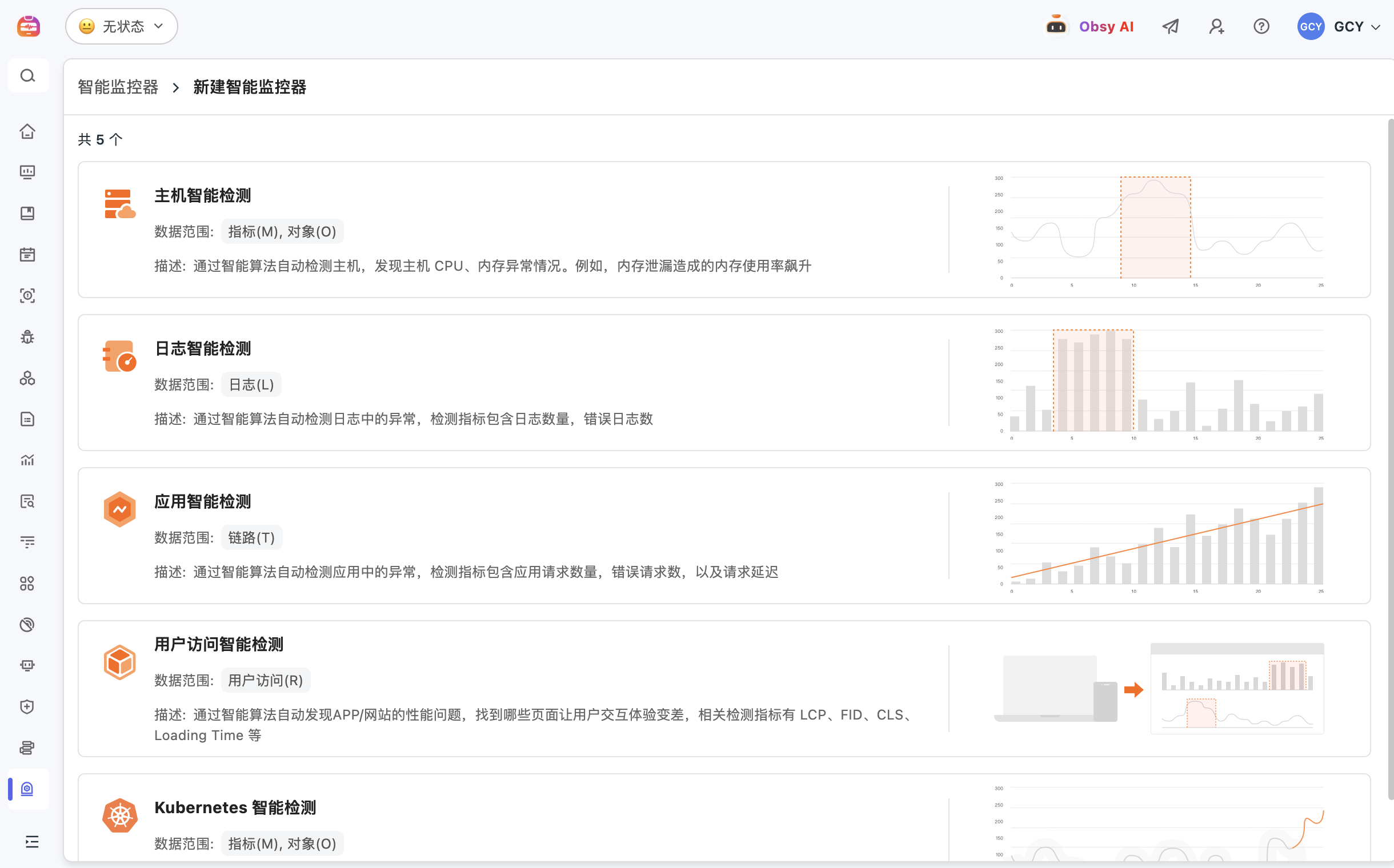
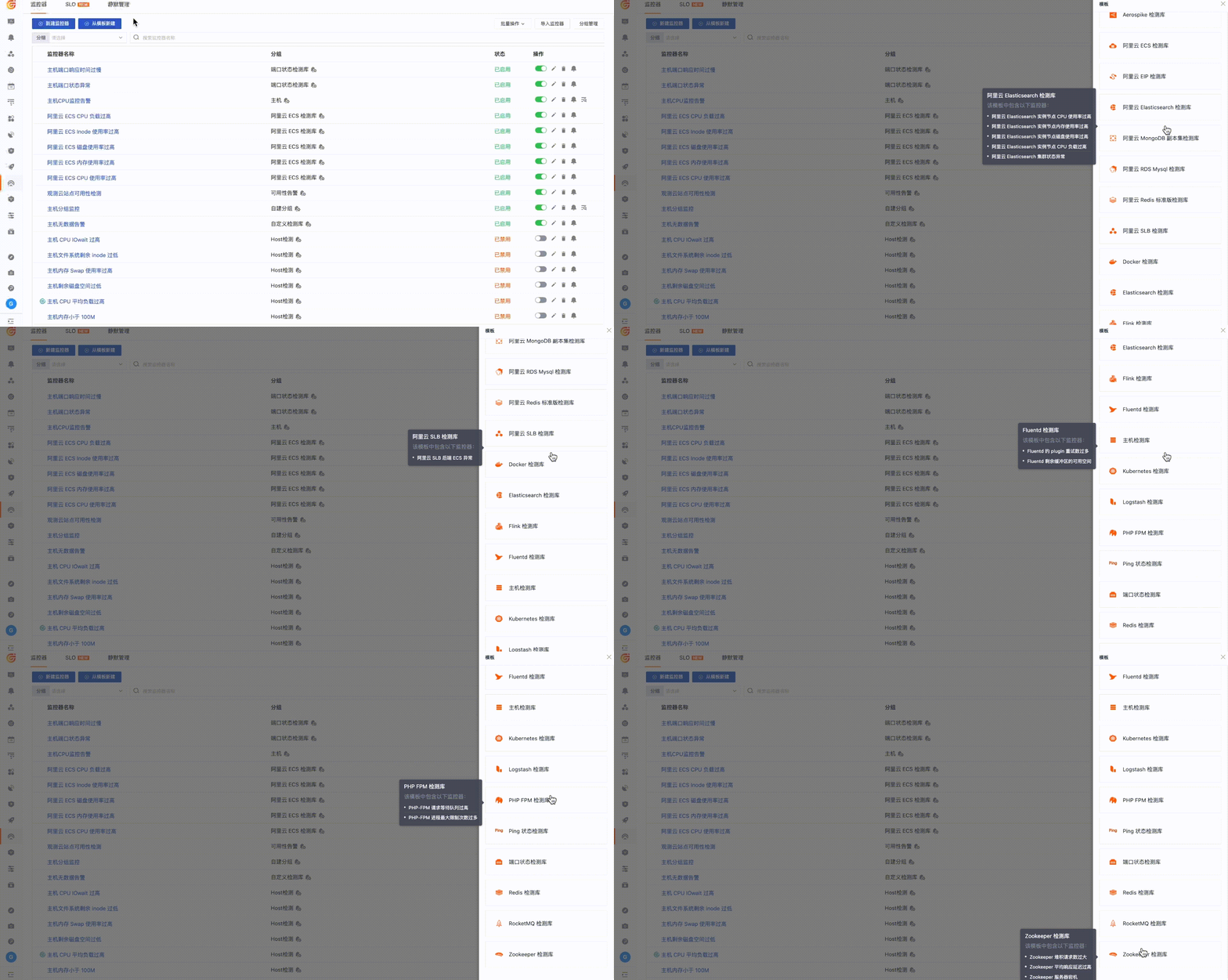
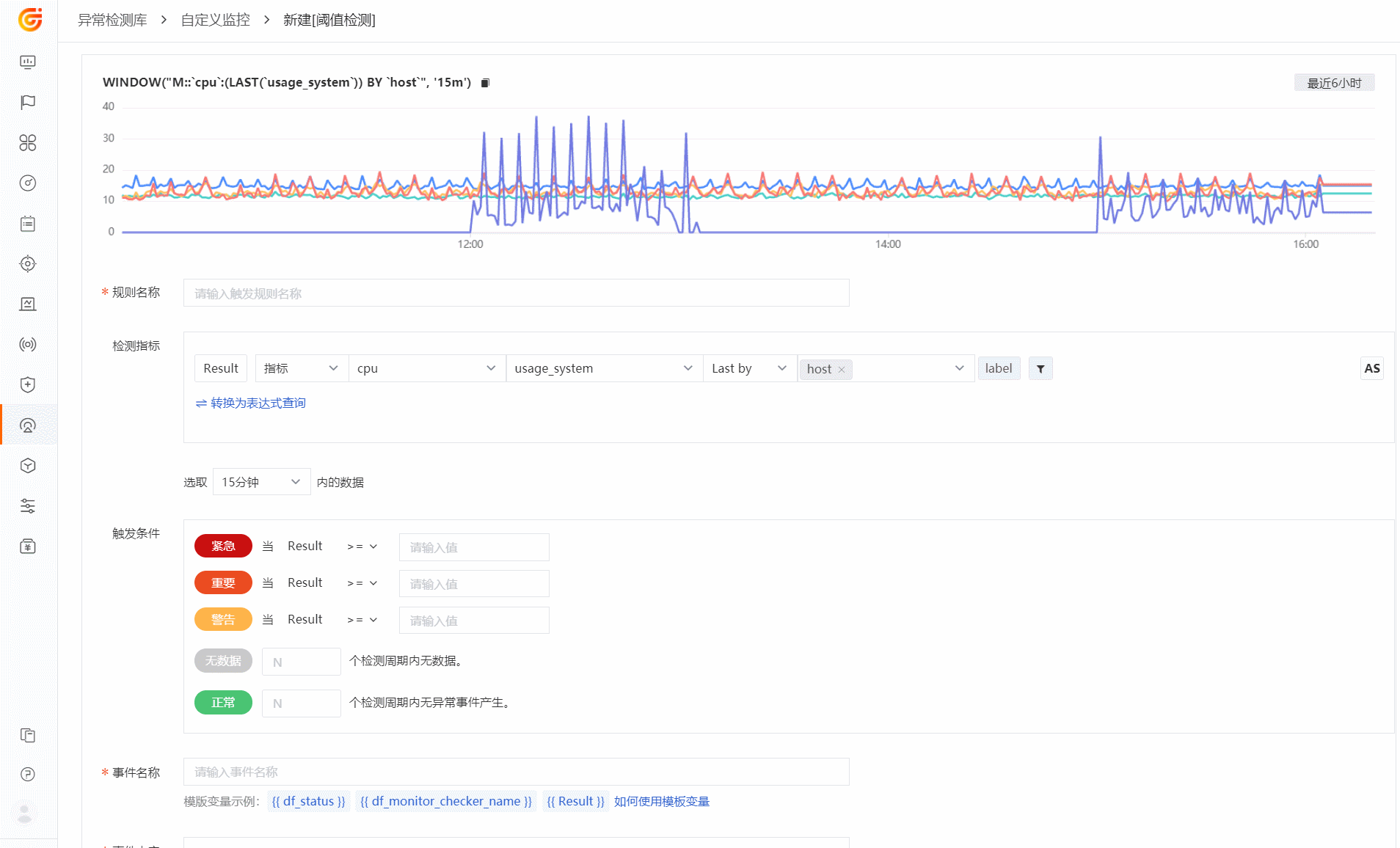
Use built-in checks for common host, container, application, log, port, and availability risks. Add threshold, change, log, DQL, or custom-query rules for critical services, interfaces, and business signals.
View documentation
Start with proven checks, then add rules for the services that matter
Route the alert to an owner without waking every team
Use severity, recovery notifications, mute policies, tags, and notification targets to separate urgent customer impact from conditions that can wait. Scope rules by service, environment, team, and business context.
View documentation
Investigate from the alert instead of rebuilding the timeline
Open the resulting event with related logs, APM traces, infrastructure metrics, network data, and change records. Group recurring signals to understand whether they share one affected service or time window.
View documentation
Investigate from the alert instead of rebuilding the timeline

Frequently asked questions

What is observability alerting?

Observability alerting evaluates metrics, logs, traces, availability checks, events, or business data and turns matching conditions into notifications and events that a team can investigate.

Which alert rules does Guance support?

Guance supports threshold, sudden-change, log, DQL, custom-query, and built-in detection rules across infrastructure, applications, logs, networks, availability, and business data.

How can teams reduce alert noise?

Use severity levels, mute policies, recovery notifications, tags, ownership routing, and event grouping so repeated signals do not notify unrelated teams.

What happens after an alert fires?

The alert becomes an event that can be investigated with related logs, traces, metrics, infrastructure, network, and change context.


Connect detection to event and incident workflows

Continue from an alert into Event Management, issue tracking, logs, SLOs, documentation, or pricing.

Get started > View documentation > View pricing >