Why build observability?

Why observability matters

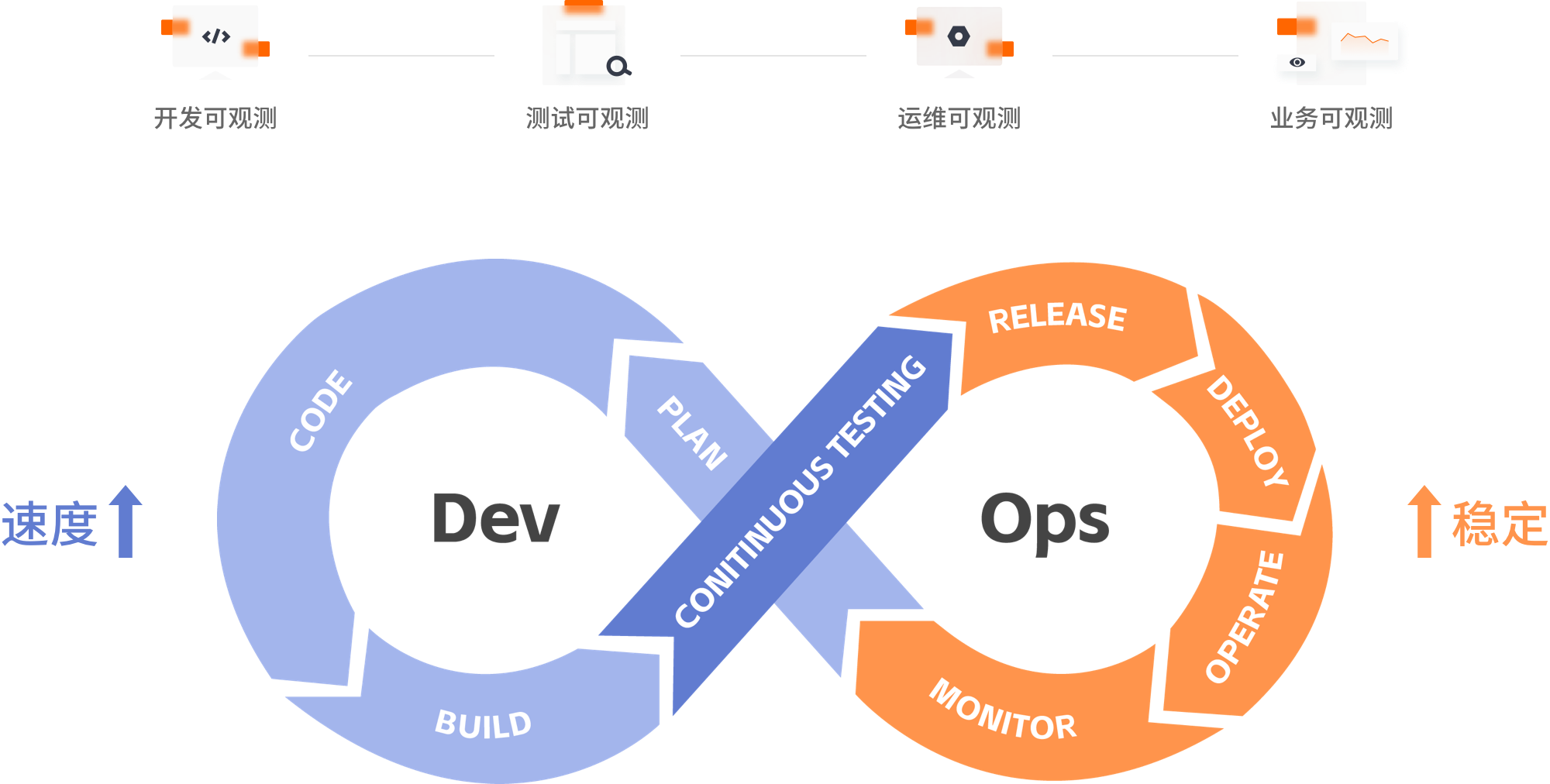
Observability helps teams understand why a system is behaving abnormally, beyond simply detecting a problem. It connects metrics, logs, traces, RUM, profiles, Kubernetes, cloud resources, alerts, and business metrics so development, testing, operations, SRE, and business teams can work from the same evidence.

What observability helps you achieve

Who benefits from an observability platform?

Use a consistent approach to data across development, testing, staging, and production. Shared metrics, logs, traces, and user experience data help teams validate releases, troubleshoot incidents, optimize capacity, and improve service quality.

Developers

Investigate slow APIs, service errors, and database bottlenecks with APM traces, logs, profiles, and dependency context in one view, helping you improve code and service performance.

Test engineers

Compare API performance, error rates, resource consumption, and critical journeys before and after a release. Share traces, logs, and environment details directly with developers instead of relying only on screenshots and verbal descriptions.

Operations teams & SREs

Monitor hosts, containers, Kubernetes, cloud resources, alerts, and changes through a unified production view. Use the evidence to determine impact and prioritize your response.

Business teams

Understand service quality through application performance, user experience, and business events. Check whether page speed, API latency, or system errors affect critical steps such as registration, ordering, payment, and form submission.

Observability platform application architecture