Contact us

Join the community

Scan with WeChat
Join the official community group

Try Guance

Start online with usage-based pricing and a true cloud service.

Get started

Choose a Guance edition

Code repositories

Infrastructure Monitoring

Infrastructure monitoring

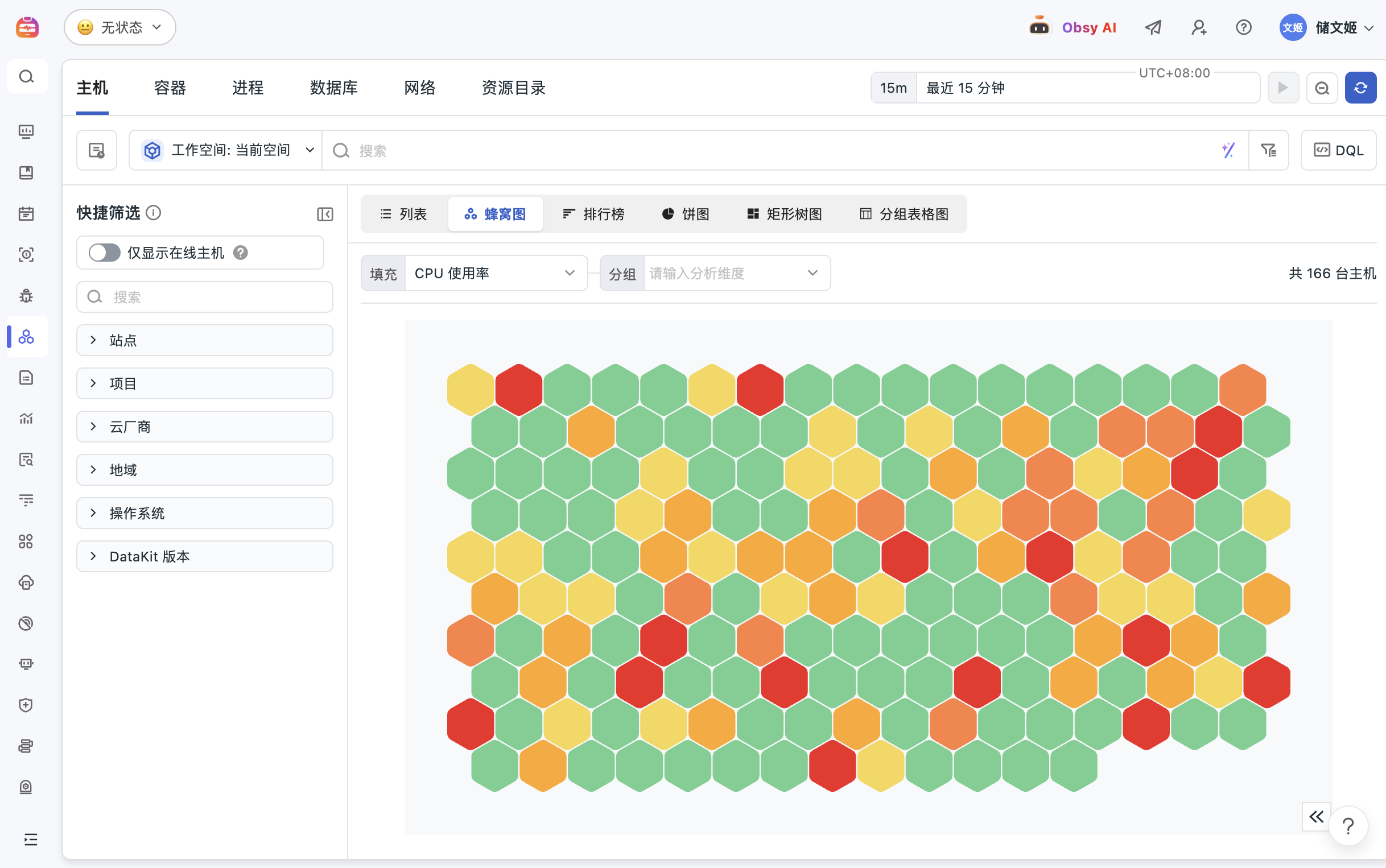
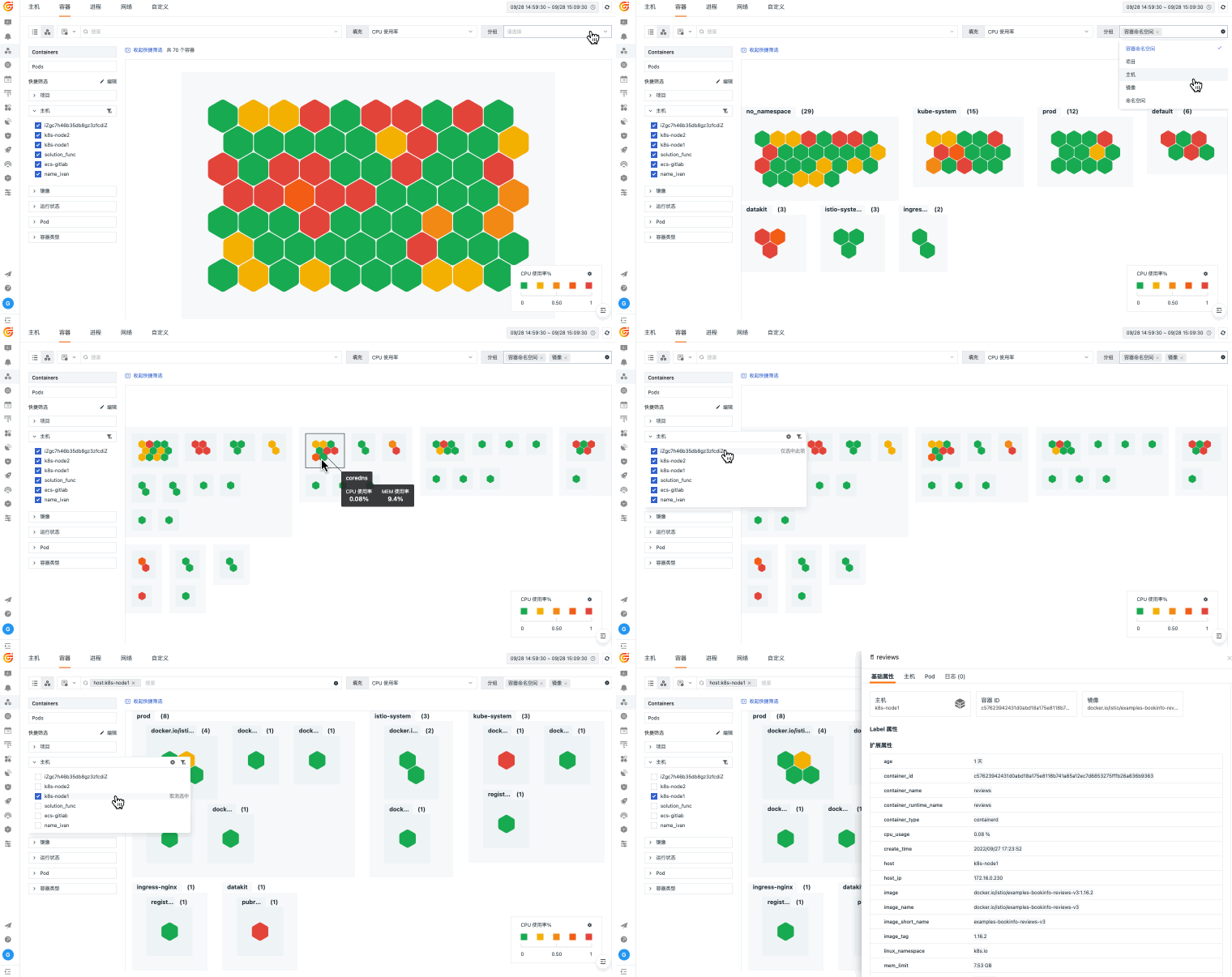
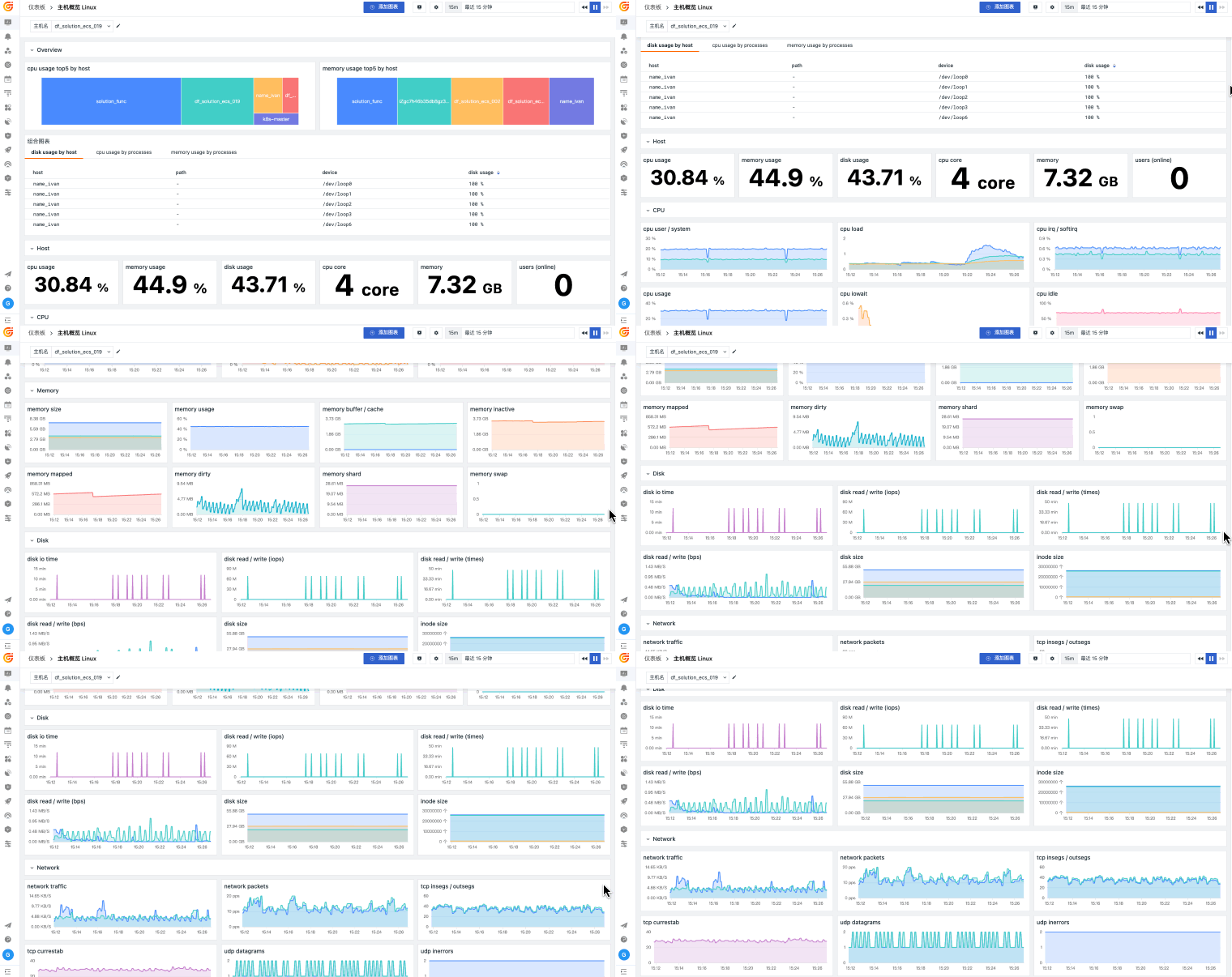
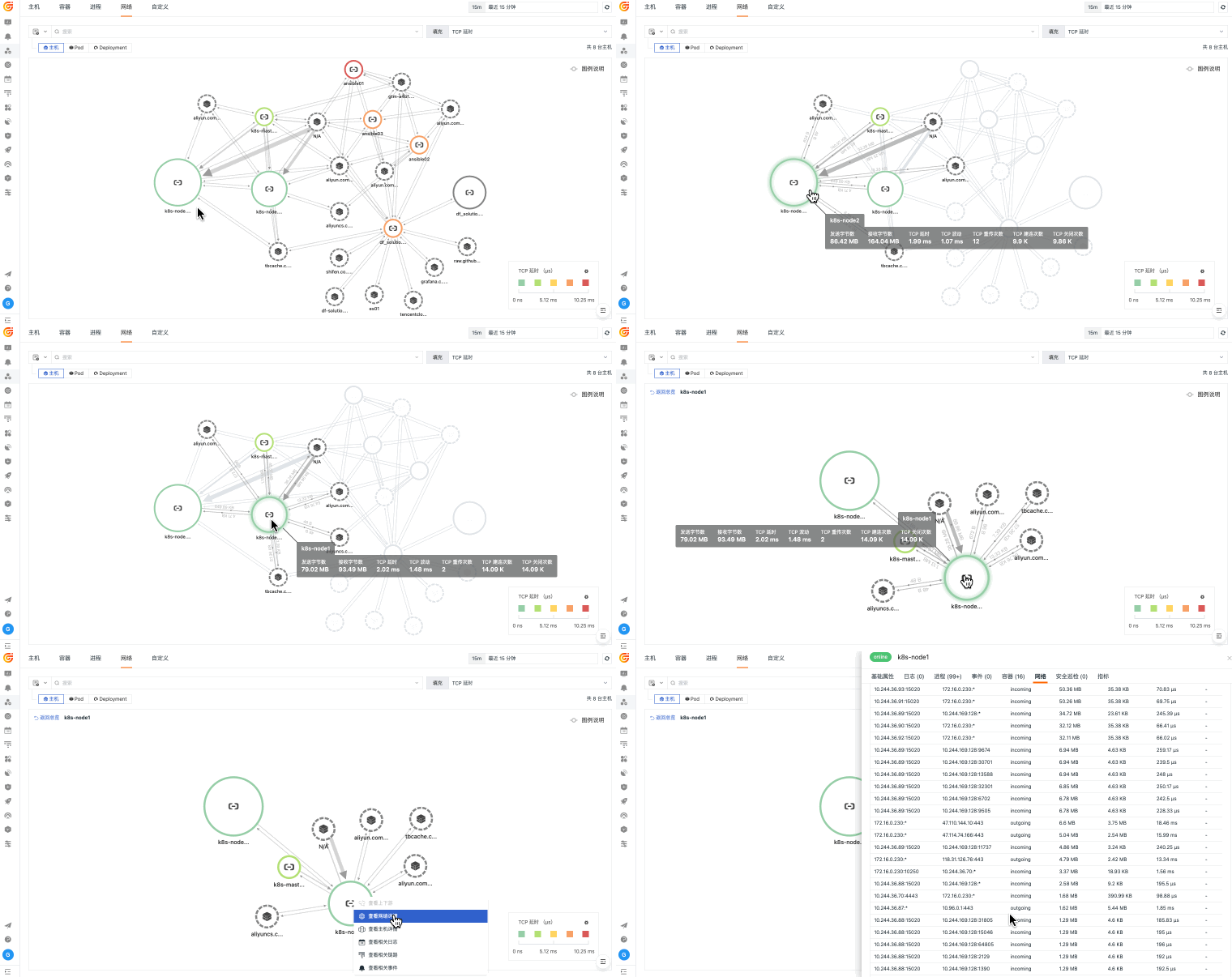
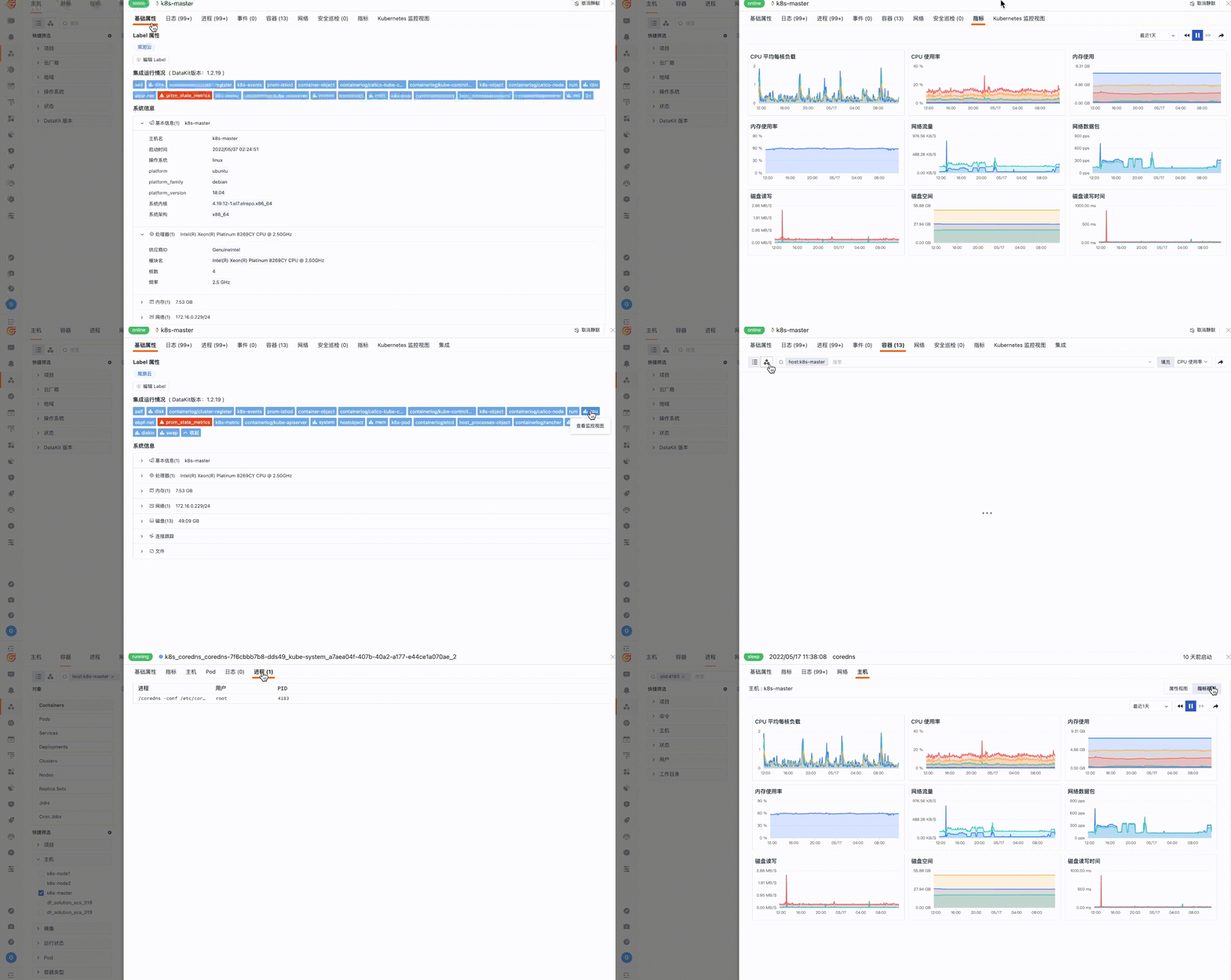
Guance infrastructure monitoring unifies the observation of hosts, containers, processes, networks, and cloud resources, with related metrics, logs, links, events, and alerts, and dashboards displaying resource status, capacity risks, and fault impact ranges.

Infrastructure monitoring
Book a demo

Infrastructure monitoring addresses what problems it solves

Transform distributed resources into observable, correlated, and responsive infrastructure views

When hosts, containers, networks, and cloud resources are scattered across different platforms, troubleshooting often gets stuck on "where resources are, who is affected, and which metrics to monitor." Guance infrastructure monitoring uses DataKit collection, unified tags, metric monitoring, and resource relationship views to link resource status with logs, links, alerts, and events, helping teams quickly determine problem boundaries.

True troubleshooting path

From resource anomalies to the scope of impact, they strung the infrastructure evidence into a single thread

It's not about looking at a new resource dashboard, but about starting from the anomaly and gradually confirming capacity, relationships, and cross-signal evidence until the team knows where the problem is and who it afflicted.

First, identify which resource group the problem is with

EvidenceOnline status, resource tags, host and container distribution

ConclusionDelineate exception objects, environments, and time windows

Data path

DataKit / Cloud Account integrates → hosts, containers, processes, and network objects → metrics, logs, and events in a unified manner

Best for

Suitable for operations, SRE, and platform teams in hybrid cloud, Kubernetes, and multi-team shared infrastructure.

Requirements

Resource collection and unified tags must be completed first; If the root causes enter the application code, you can continue to associate APM Trace with Profiling.

Don't just look at resources; link metrics, logs, links, and alerts
From infrastructure objects, you can continue to view relevant metrics, logs, application links, network data, events, and alerts. When encountering CPU spikes, insufficient disk space, container reboots, or hosts going offline, teams can continue to check contextually to reduce duplicate queries and information consolidation.
Don't just look at resources; link metrics, logs, links, and alerts

Frequently asked questions

What is infrastructure monitoring?

Infrastructure monitoring is used to continuously observe the operational status of hosts, containers, processes, networks, and cloud resources. Guance links indicator monitoring, dashboards, logs, links, events, and alerts to quickly locate the affected area during troubleshooting.

What metrics should infrastructure monitoring focus on?

Common metrics include CPU, memory, disk, file system, network traffic, process status, host load, container resources, restarts count, and resource online status. Different businesses can also focus on critical environments or core services through tags, grouping, and custom views.

How does infrastructure monitoring help troubleshoot?

When resources are abnormal, Guance can jump from metric trends to relevant logs, application traces, network topology, events, and alerts, helping teams determine whether the issue stems from resource bottlenecks, network connections, container scheduling, or application dependencies.

Which teams are Guance infrastructure monitoring suitable for?

It is suitable for operations and maintenance, SRE, platform engineering, cloud infrastructure, and R&D teams, especially in multi-cloud, hybrid cloud, containerized, and microservices environments where unified monitoring of resource health and business impact is required.

Explore more

Resources and further reading

Choose the next step from product documentation, related solutions, and technical guidance.

Related reading

Selected product practices, troubleshooting guidance, and technical solutions

Want to see how infrastructure monitoring is implemented in your business systems?

Book a demo