The complexity of open-sourcing a complete observation system
The cost of building the entire open-source monitoring solution itself
Open-source observability solutions are quite complex, mainly due to the broad and deep technical fields involved. When building such a solution, developers need to skillfully use multiple technologies, including but not limited to log collection, monitoring tool deployment, data storage, analysis, and visualization.
First, since log collection is the foundation of observability, developers need to have a deep understanding of various log formats and sources, as well as master the appropriate collection methods. Moreover, as microservices architecture becomes more widespread and logs are scattered across multiple service instances, effectively collecting, integrating, and transmitting these logs has become a challenging task.
Secondly, choosing and deploying monitoring tools is also a major challenge. There are many open-source monitoring tools on the market, such as Zabbix, Prometheus, ELK, Skywalking, Sentry, Grafana, etc., but each tool has its own specific usage scenarios and functional limitations. Developers need to select appropriate tools based on their system's actual situation and perform detailed configuration and optimization.
Furthermore, data storage and analysis are equally important. As data volumes continue to grow, ensuring query performance and data consistency has become an urgent issue to solve. In addition, effectively analyzing data and extracting valuable information also requires developers to possess certain data processing skills.
Finally, the importance of visual displays as a direct interaction link with users is self-evident. Developers need to design intuitive, user-friendly interfaces that present complex data in an easy-to-understand way.
Besides the technical challenges mentioned above, open-source observability solutions also involve significant hidden costs. For example, developers need to invest a lot of time in learning and practice to master various technologies; At the same time, to ensure system stability and security, regular maintenance and upgrades are required. These hidden costs are often overlooked, but they account for a significant portion in practical applications. Therefore, when building open-source observability solutions, developers need to comprehensively consider various factors to ensure the feasibility and sustainability of the solution.
The open-source solution implements the overall technology stack, comprehensive monitoring and observation, and consumes significant costs
Open-source monitoring solutions face significant implementation costs when integrating different technology stacks and applying various open-source products. In a diverse technology ecosystem, each technology stack and open-source product has its own unique monitoring needs and metrics. To effectively integrate these different components into a unified monitoring system, a series of technical and operational challenges must be overcome.
First, to collect monitoring data from various technology stacks, it is essential to be familiar with various monitoring interfaces and protocols. This requires monitoring solution developers to have cross-stack knowledge and the ability to write and configure various adapters or plugins to obtain information from different data sources.
Second, data integration and standardization are key challenges. Data from different technology stacks and products may have inconsistent formats and varying quality. Transforming these heterogeneous data into a unified format and ensuring their consistency and accuracy requires complex data processing logic and high-quality data governance.
Furthermore, the configuration and management of monitoring tools and platforms is also an important aspect. Each open-source monitoring tool has its own specific configuration and operating environment requirements. When multiple tools run in parallel, efficiently managing their configuration, optimizing performance, and troubleshooting greatly increases the complexity of implementation.
Moreover, as technology advances and product iteration evolves, continuously updating and maintaining monitoring solutions has become a long-term task. Teams need to keep up with the latest developments in various open-source projects, assess compatibility with new versions, and make adjustments and upgrades as needed.
Finally, safety and compliance are also factors that cannot be ignored. When integrating different technology stacks and open-source products, it is essential to ensure the security of the entire monitoring system and comply with relevant laws, regulations, and industry standards.
In summary, when integrating different technology stacks and applying different open source products, open-source monitoring solutions not only need to overcome technical barriers but also address management and maintenance challenges, all of which result in high implementation costs.
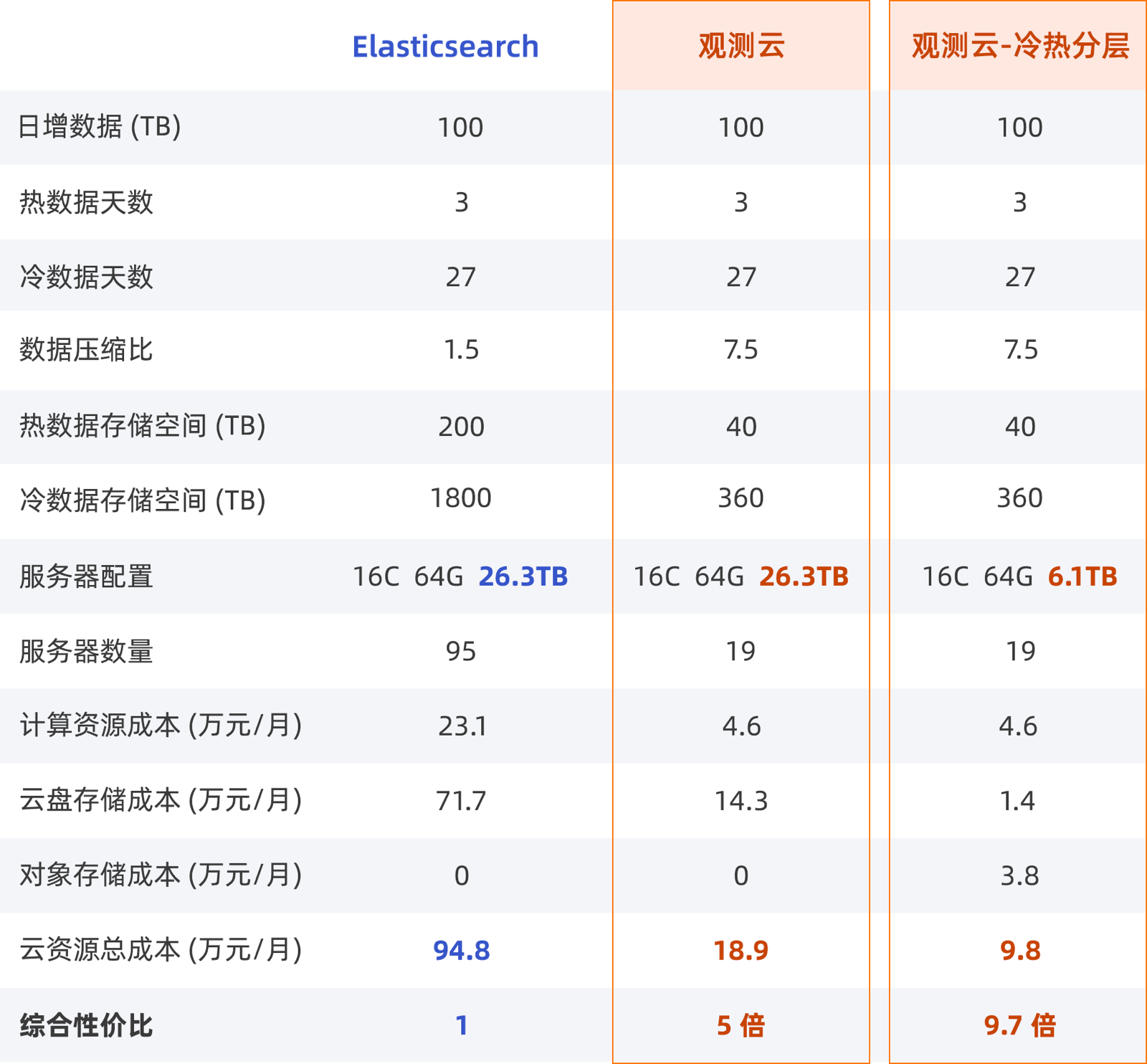
View Guance price overview End-to-end solutions, the massive technology stack provides comprehensive monitoring and observation capabilities
Comprehensive end-to-end observation capabilities
Compared to traditional open-source monitoring solutions, Guance offers a completely new perspective and solution. Traditional open-source monitoring often focuses on collecting performance metrics for specific technology stacks or components, resulting in fragmented and fragmented monitoring systems that make it difficult to form a unified view and insights. Guance is committed to breaking this fragmented situation by providing users with comprehensive observation capabilities through full-stack, multi-dimensional data collection and analysis.
Guance's core advantage lies in its highly integrated and unified architecture. It can seamlessly integrate various technology stacks and open-source products, integrating front-end applications, back-end services, and underlying infrastructure into a unified observation system. This allows users to obtain a comprehensive and consistent view of data without switching between different monitoring tools.
In addition, Guance offers powerful data processing and analysis capabilities. It can collect, process, and analyze massive amounts of observation data in real time, and through intelligent algorithms and visualization tools, helps users quickly locate issues and identify anomalies, thereby improving system stability and reliability.
Try Guance Comprehensive coverage of mainstream technology stacks
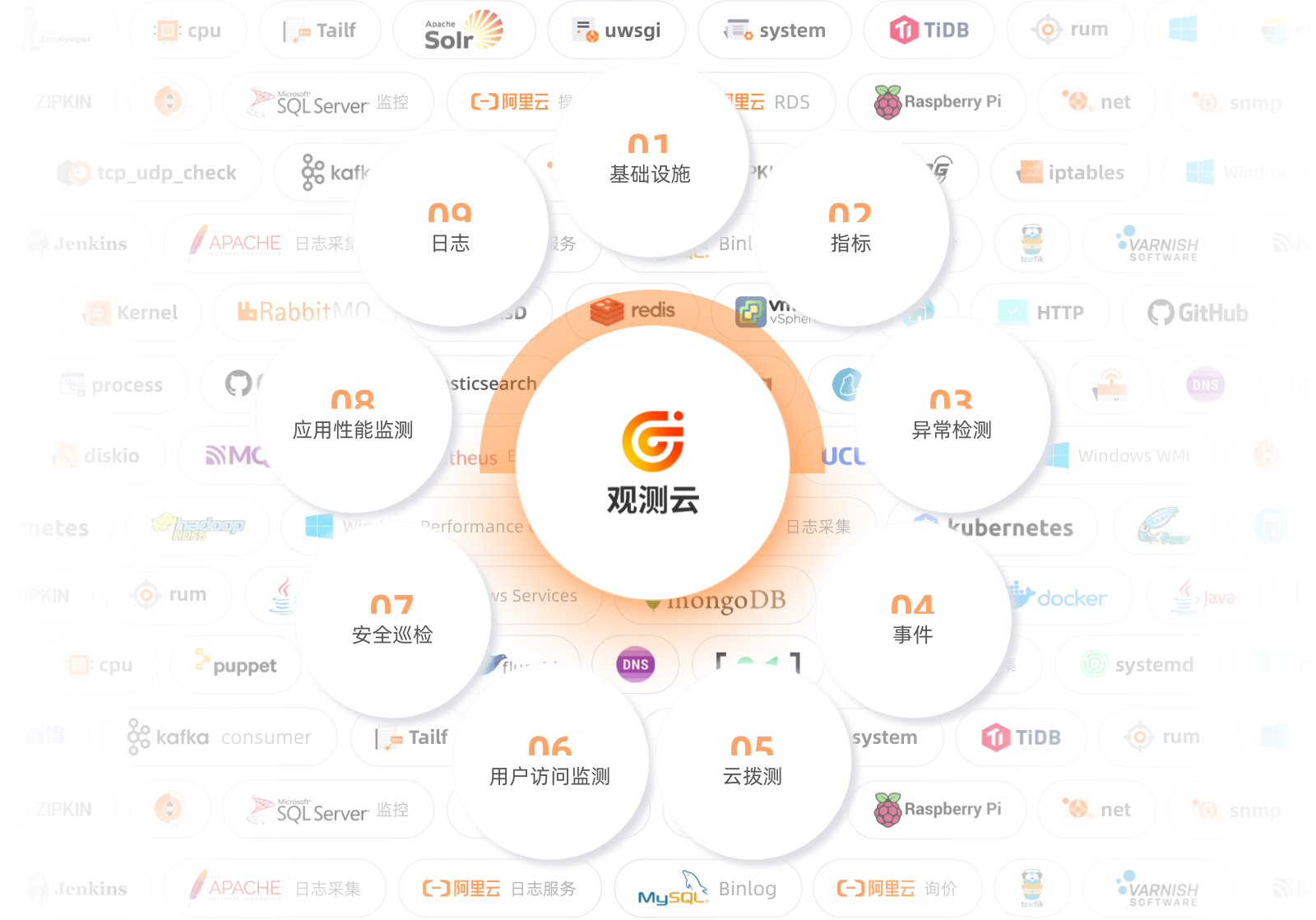
Compared to many open-source monitoring solutions, Guance demonstrates outstanding breadth and depth of support. It supports 650+ technology stacks and data integration, covering multiple layers including front-end, back-end, database, container, and network, providing comprehensive monitoring and observation solutions for these stacks.
Guance's uniqueness lies not only in its extensive data access capabilities. More importantly, it equips these technology stacks with carefully designed analytics dashboards and best practice guidance. This means users can not only collect rich monitoring data, but also quickly gain insight into system health through intuitive visualization and professional analysis tools, predict potential risks, and efficiently tune and troubleshoot based on best practices.
This one-stop monitoring and observation solution greatly reduces the complexity and cost for users in technology selection, system integration, data analysis, and other aspects.
Fully compatible with mainstream global cloud computing technologies
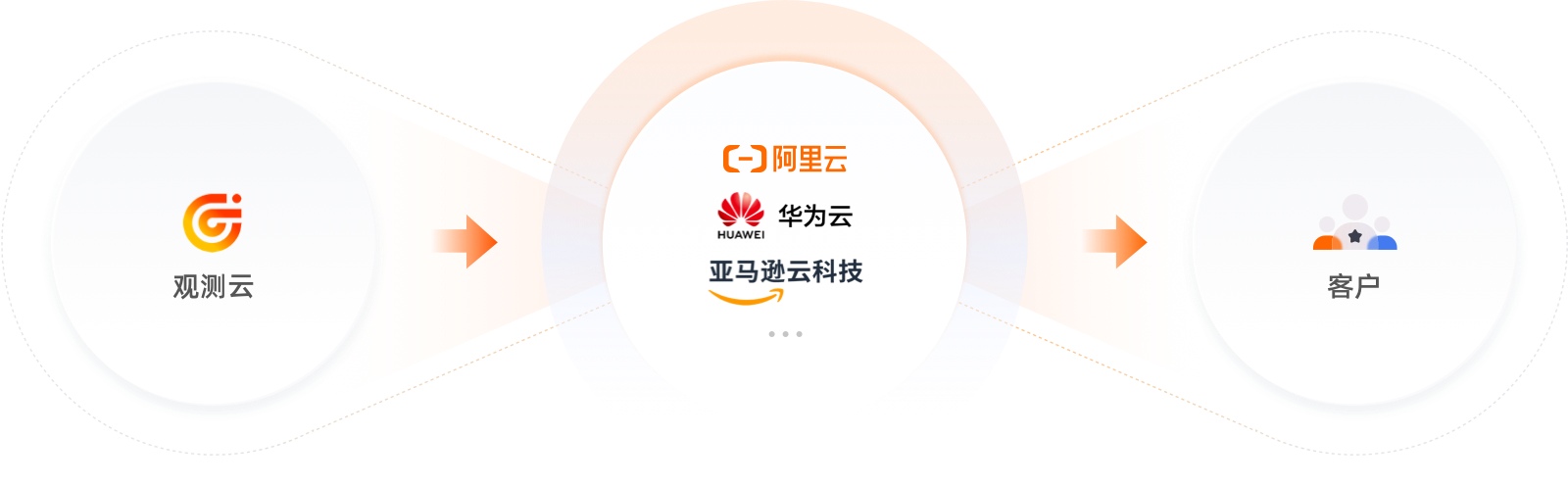
Guance has demonstrated its forward-looking and comprehensive approach in the field of cloud monitoring. Compared to many open-source products, Guance not only covers the broad technology stacks of modern cloud providers, but also offers managed and proprietary services tailored to cloud providers, such as AWS's Fargate and Lambda, achieving seamless integration and deep monitoring.
This comprehensive coverage not only demonstrates Guance's technical strength, but also highlights its close cooperation with mainstream cloud providers. As an important part of the cloud ecosystem, Guance has established strong cooperative relationships with major cloud providers, jointly committed to providing customers with more comprehensive and efficient cloud monitoring solutions.
Through deep cooperation with cloud providers, Guance can receive the latest technology updates and service information at the earliest opportunity, ensuring their monitoring solutions always stay in sync with cloud technology developments. This synchronization is reflected not only in supporting new technologies but also in precise grasp of customer needs and rapid response.
Provides a unified query and analysis interface, making it easy for every engineer to get started
A unified user interface, eliminating the need to shuttle between multiple products
Guance one of its greatest advantages over open-source monitoring solutions is that it provides a complete unified interface and user experience. In today's multi-cloud and hybrid cloud environment, different teams, projects, and types of engineers often need to switch between multiple monitoring systems, which not only increases operational complexity but also reduces work efficiency.
Guance breaks this barrier through its intuitive user interface and consistent operating logic. Whether you are a front-end development engineer, a back-end operations staff, or a system administrator and security analyst, you can easily perform data monitoring, troubleshooting, and performance optimization all within the same interface. This undifferentiated user experience greatly reduces learning costs and difficulty in use.
Additionally, Guance offers a wealth of customization options, allowing users to adjust the interface layout, set monitoring thresholds, and alert rules according to their needs. This flexibility allows Guance to adapt to the personalized needs of different projects and teams, further enhancing convenience and efficiency.
Data builds a complete context, truly enabling comprehensive observation
Compared to open-source monitoring products, Guance surpasses not only by providing a unified interface but also by its powerful data contextual organization capabilities. In complex IT environments, simple data presentation is often insufficient to help engineers quickly locate and solve problems. Guance well aware of this, so from the very beginning of the design, we focused on data correlation and the integration of contextual information.
Through Guance, engineers can easily correlate and analyze data from different sources and types, thereby building a complete business view and a panoramic technology stack. Whether it's log data, performance metrics, or alarm events, Guance can provide rich contextual information to help engineers quickly understand the meaning and importance of the data.
This way of organizing data context enables engineers to quickly unravel the root cause of problems from massive amounts of data when encountering problems. There's no need to switch back and forth between various monitoring tools, nor to manually organize and analyze data—everything becomes so intuitive and efficient.
Additionally, Guance offers powerful search and filtering capabilities, further enhancing engineers' ability to identify issues. By simply entering keywords or filtering conditions, relevant data can be quickly located, greatly shortening troubleshooting time.
Learn more about search and filtering features Unified data query language, allowing anyone to dynamically observe data
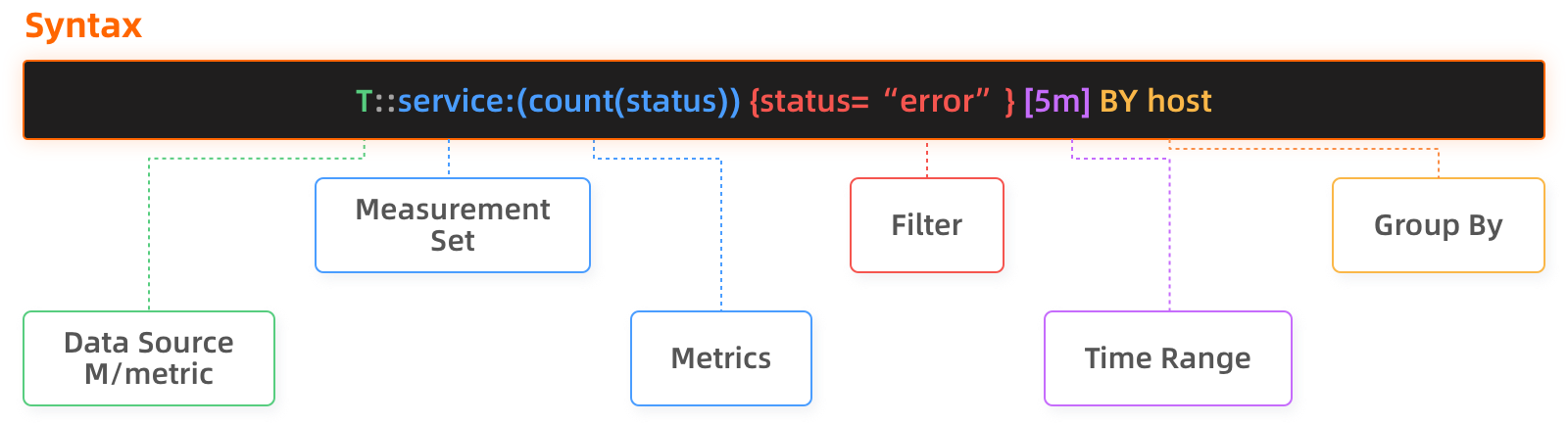
Guance compared to open-source products, it offers a unique advantage—the unified DQL (Debug Query Language) for observable data—significantly improving engineers' work efficiency and learning experience. In traditional monitoring systems, engineers often have to deal with multiple query languages such as PromQL, LogQL, and KQL, each targeting specific data types and monitoring scenarios. This not only increases the burden of learning but also limits the flexibility and scalability of monitoring systems.
Guance solved this problem in one fell swoop by introducing DQL. As a universal query language, DQL can be used across data types and monitoring scenarios. Whether it's logs, metrics, or tracking data, queries and analysis can be performed using the same language. This means engineers only need to learn one language to easily build their desired monitoring and observation scenarios, without having to learn different query methods for different data types.
DQL's simplicity and ease of use allow every engineer to get started quickly, benefiting both beginners and seasoned experts. It lowers the threshold for using monitoring systems, improves collaboration efficiency between teams, and allows engineers to focus more on problem-solving and business development rather than being troubled by complex query languages.
Learn more DQL inquiries Strong compatibility is more open than open-source products
Guance fully compatible with various open-source monitoring and observation data collection capabilities
Guance demonstrates its unique advantages in openness. Compared to many open-source surveillance products, Guance is more inclusive and compatible, seamlessly integrating various open-source protocols and standards, breaking down silos between open-source systems.
Guance supports OpenTelemetry-related protocols, a widely adopted standard in the cloud-native field for collecting and transmitting telemetry data. At the same time, it is compatible with distributed tracking systems like Zipkin and Skywalking, ensuring users can integrate end-to-end distributed tracking information on Guance platform. Additionally, for traditional monitoring systems like Zabbix, Guance also provides data collection interfaces, enabling users to smoothly migrate historical data and existing monitoring strategies to the Guance.
This broad compatibility means users do not need to build and maintain multiple independent open-source monitoring systems, nor do they have to worry about data silos or data inconsistencies. Guance as a unified monitoring platform, it can integrate data from different sources to provide users with a comprehensive and consistent perspective.
Although open-source products offer advantages in flexibility and customization, they often lack unified standards and protocols, making it difficult for systems to work together. Guance effectively addresses this issue through its open architecture and compatibility policies, providing users with a truly open monitoring and observation solution. Unlike single open-source products, it is compatible with most open-source data protocols.
Try Guance Guance provides a comprehensive OpenAPI and the programming platform Func
Guance compared to open-source products, it demonstrates outstanding openness and scalability with its complete OpenAPI and innovative programming platform Func. This design allows Guance to maintain flexibility while providing customized solutions while avoiding the common source code modifications and API integration complexities found in open source products.
Guance's OpenAPI provides developers with a comprehensive, standardized RESTful API, covering all functions from data collection and processing to analysis and visualization. This API is not only well-documented and easy to understand, but also has undergone rigorous testing and validation to ensure stability and reliability. This means enterprises can easily interact with Guance platforms through programming, enabling automated data management and customized monitoring functions.
Meanwhile, Guance's Func platform provides a powerful programming environment, allowing developers to quickly build and deploy custom monitoring plugins and integrated solutions using their familiar programming languages and tools. This function-based programming model simplifies the development process and lowers the threshold for customization, allowing non-professional developers to participate in the expansion and optimization of monitoring systems.
In contrast, open-source products usually require developers to deeply understand their source code structure and even modify it to meet specific customization needs. This approach is not only time-consuming and labor-intensive, but also easily introduces new issues during maintenance and updates. Additionally, APIs in open-source products may have inconsistent styles and incomplete documentation, adding extra challenges to integration work.
Guance offers enterprises a brand-new open and scalable experience through its OpenAPI and Func platform. It allows enterprises to implement highly customized monitoring solutions through simple programming without modifying the source code. This flexibility and ease of use make Guance an indispensable part of modern monitoring systems, helping enterprises quickly adapt to ever-changing business needs and technological environments.
Learn more about OpenAPI Learn more about FNC Comprehensive enterprise-level capabilities
Powerful multi-tenant and permission management capabilities
Guance in enterprise-level application scenarios, compared to open-source products, it demonstrates more advanced multi-tenant capabilities and refined permission management, which are crucial for meeting the needs of modern enterprises.
In terms of multi-tenant support, Guance designed a flexible and scalable architecture that effectively isolates data and configurations from different tenants while maintaining efficient resource utilization. This means that on the same platform, different tenants can customize monitoring strategies according to their business needs without interfering with each other. This multi-tenancy capability ensures data security and privacy protection, while also streamlining management and operations processes.
In terms of permission management, Guance provides a meticulous control mechanism. By precisely dividing user roles and allocating permissions, Guance can control access to resources, ensuring that only authorized users can perform specific operations. This role-based access control (RBAC) not only enhances security but also reduces the complexity of internal management.
In contrast, while open-source products have advantages in customization and flexibility, they often struggle with multi-tenant management and permission control. Open-source products may require additional configuration and expansion to meet enterprise-level tenant isolation and permission management needs, which undoubtedly increases implementation complexity and cost.
Learn more about permission management Powerful and flexible enterprise-level integration capabilities
Guance compared to open-source products, its open scaling platform Func demonstrates outstanding integration capabilities, which is crucial for seamless integration with other internal enterprise systems. In modern enterprises, single sign-on (SSO), configuration management databases (CMDB), IT service management (ITSM), and source code management platforms are all key systems supporting daily operations. Guance the Func platform greatly facilitates the integration of these systems.
The design philosophy of the Func platform is open and modular, allowing developers to easily create and deploy custom plugins or integrated modules to enable data exchange and business collaboration with other systems. This means enterprises can quickly integrate Guance with existing IT ecosystems, achieving unified data management and process automation.
Through the Func platform, Guance can seamlessly integrate with single sign-on systems, achieving unified user identity authentication and permission management, thereby improving user experience and work efficiency. At the same time, Guance can synchronize asset information with CMDB to ensure the accuracy and completeness of monitoring data, and provide ITSM with real-time monitoring data and alarm information, enhancing service response speed and transparency.
For the integration of the source code management platform, the Func platform offers version control and change tracking capabilities, enabling development teams to associate code changes with application performance data, thereby better understanding how code changes affect system performance.
While open-source products offer customization possibilities, integrating enterprise-specific systems often requires extra work. Guance's Func platform greatly simplifies this process through pre-built integration capabilities and open APIs, enabling enterprises to quickly achieve seamless integration with Guance and other systems, thereby enhancing overall operational efficiency and data value.
The ability to provide services globally
Guance in the context of globalization, compared to open-source products, it better meets enterprises' needs for data security, compliance, and regional services. As business continues to expand, ensuring data security and compliance with data protection regulations worldwide has become especially important.
First, Guance considered strict compliance standards such as SOC 2 (Service Organization Control 2) from the very beginning of the design. It provides a comprehensive set of security control measures, including data encryption, access control, audit logs, and more, to meet the AICPA requirements for information security, availability, and processing integrity for service organizations. This means that corporate data is protected at the highest level in Guance, helping companies maintain transparency and confidence during compliance reviews.
Second, Guance offers multiple sensitive data processing solutions to ensure that companies strictly comply with international data protection regulations such as GDPR (General Data Protection Regulation) when handling personal privacy data. Whether it's data collection, storage, processing, or transmission, Guance can provide appropriate security measures to help companies fulfill their data protection obligations and reduce legal risks.
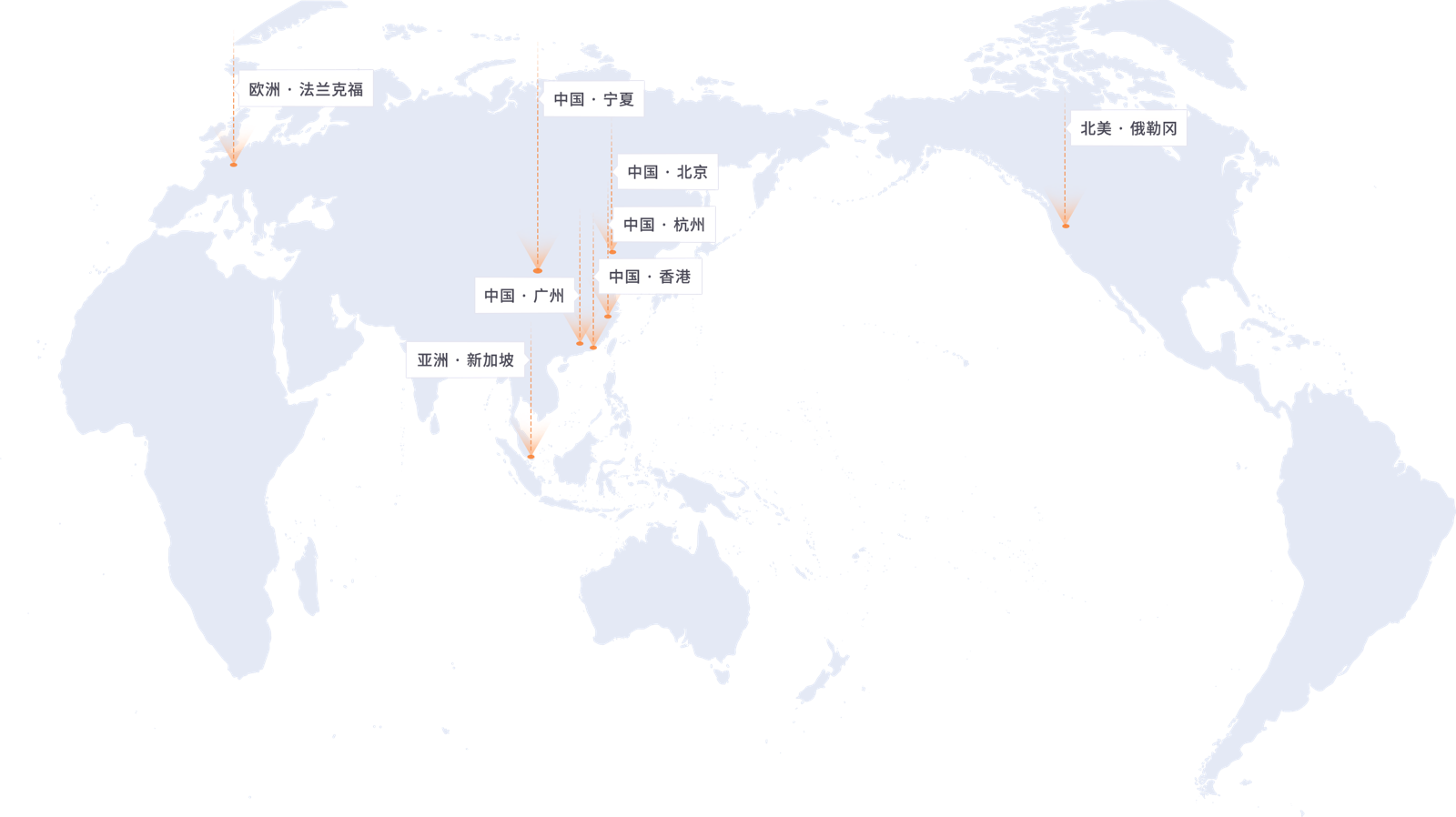
Additionally, Guance offers direct cloud service models across different global regions, enabling enterprises to select the most suitable data center locations according to GDPR and other regulations, ensuring data does not leave the country or is only transferred across borders when necessary. This localized service strategy not only improves the speed and stability of data access, but also helps enterprises meet regional data sovereignty and compliance requirements.
Although open-source products have certain advantages in functionality and flexibility, in the context of globalization, they often struggle to provide compliance and data security solutions comparable to Guance. Guance's professional services and global presence make it an ideal choice for companies implementing monitoring strategies worldwide, helping them expand into international markets without worry, while ensuring data security and compliance.
Frequently asked questions
What is the biggest difference between open-source surveillance and observability platforms?
Open-source construction is usually made up of components such as Prometheus, ELK, SkyWalking, Grafana, etc., flexible but requiring long-term team maintenance. Observability The platform emphasizes unified collection, unified querying, contextual association, permission governance, and a closed-loop alert, making it suitable for production systems that require stable cross-team operation.
When is it appropriate for enterprises to migrate from open-source monitoring to Guance?
When teams are already experiencing fragmented logs, metrics, links, RUM, cloud resources, and alerts, or when the costs of maintaining open-source components, upgrading compatibility, capacity planning, and permission governance continue to rise, it is appropriate to evaluate Guance such unified observable platforms.
Guance can it be compatible with existing Prometheus, OpenTelemetry, or ELK data?
Yes, you can. Guance access existing data sources through DataKit, OpenTelemetry, Prometheus, log collection, APIs, and pipelines, helping teams establish a unified analytical context while preserving existing technical assets.