Why build observability?

The importance of observability

Observability helps teams understand why the system is abnormal, not just know it's already abnormal. It links metrics, logs, links, RUM, Profile, Kubernetes, cloud resources, alerts, and business metrics, enabling R&D, testing, operations, SREs, and business teams to collaborate around the same factual data.

Observability can help us achieve the following goals:

Who needs to use observability platforms

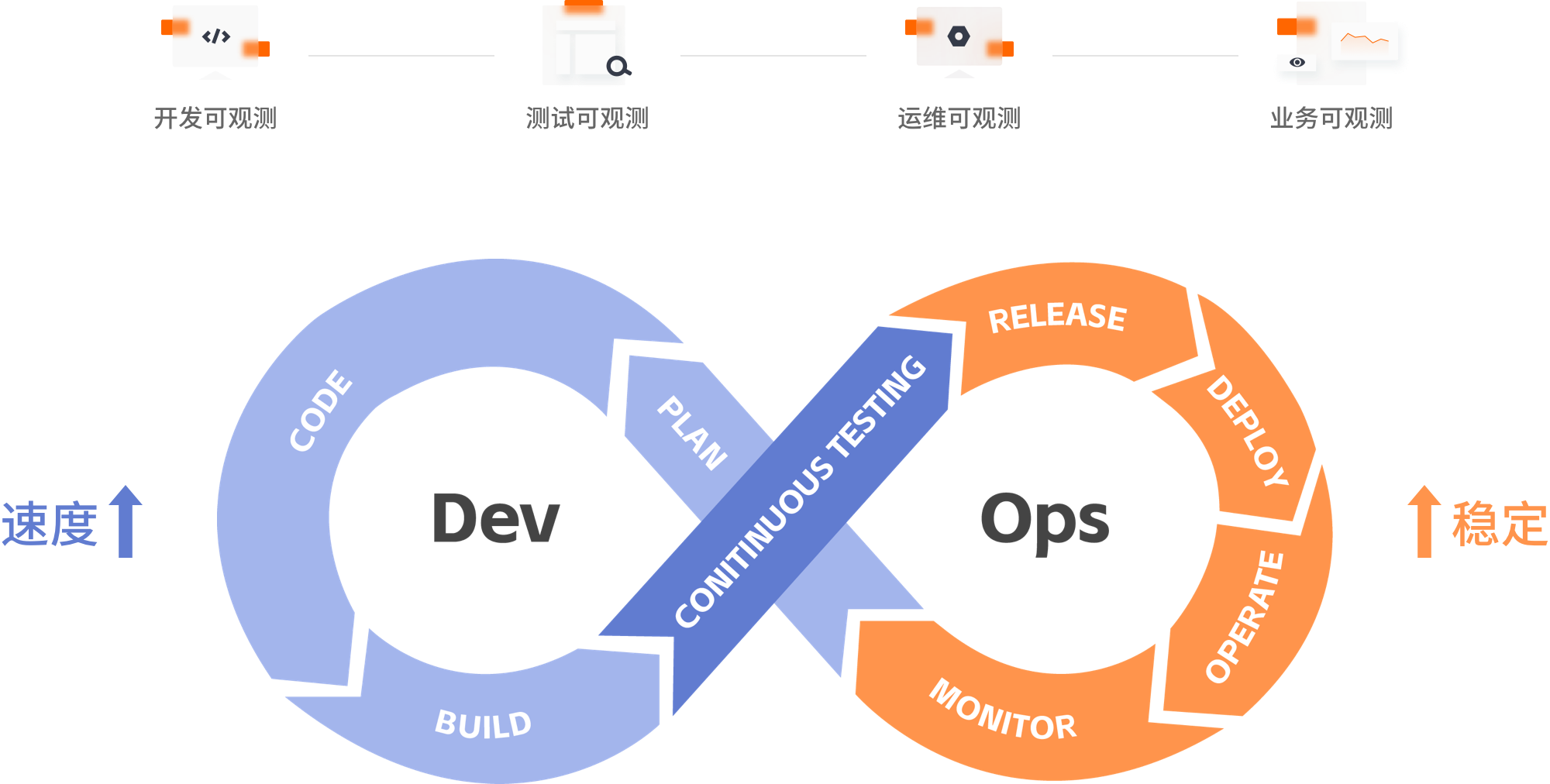
Observability not only solves data collection issues but, more importantly, integrates development, testing, pre-release, and production environments into a consistent data management approach. Teams can use the same set of metrics, logs, links, and access experience data to verify release quality, locate faults, optimize capacity, and improve service experience.

Developer

When developers troubleshoot slow interfaces, service errors, or database bottlenecks, observability can bring APM Trace, logs, profiles, and dependencies into the same perspective, helping them optimize code and service performance more quickly.

Testers

Testers can use observable data to verify interface performance, error rates, resource consumption, and critical path performance before and after release. When problems arise, instead of relying solely on screenshots and verbal descriptions, traces, logs, and environmental information are handed over directly to R&D collaboration.

Operations personnel & SRE

In production environments, operations and SRE can observe hosts, containers, Kubernetes, cloud resources, alerts, and change events through a unified monitoring platform, and determine impact scope and processing priorities based on data.

Business staff

Business teams can understand service quality from application performance, access experience, and business events, such as whether key paths like registration, ordering, payment, and submission are affected by page performance, interface time, or system errors.

Observability platform application structure diagram