Sensitive Data Scanner

Find and protect sensitive values in observability data

Guance Sensitive Data Scanner helps teams identify configured patterns such as phone numbers, identity values, credentials, tokens, accounts, and other business-sensitive fields in logs and supported observability data, then connect findings to masking, access, and Pipeline policies.

Find and protect sensitive values in observability data

What Sensitive Data Scanner helps you solve

Discover where sensitive values appear before choosing a control

When operational data may contain personal information or credentials, scanning helps teams identify the affected scope and pattern. Masking, Pipeline processing, access control, and retention policies can then be applied according to risk.

Start with the data scope most likely to contain sensitive values
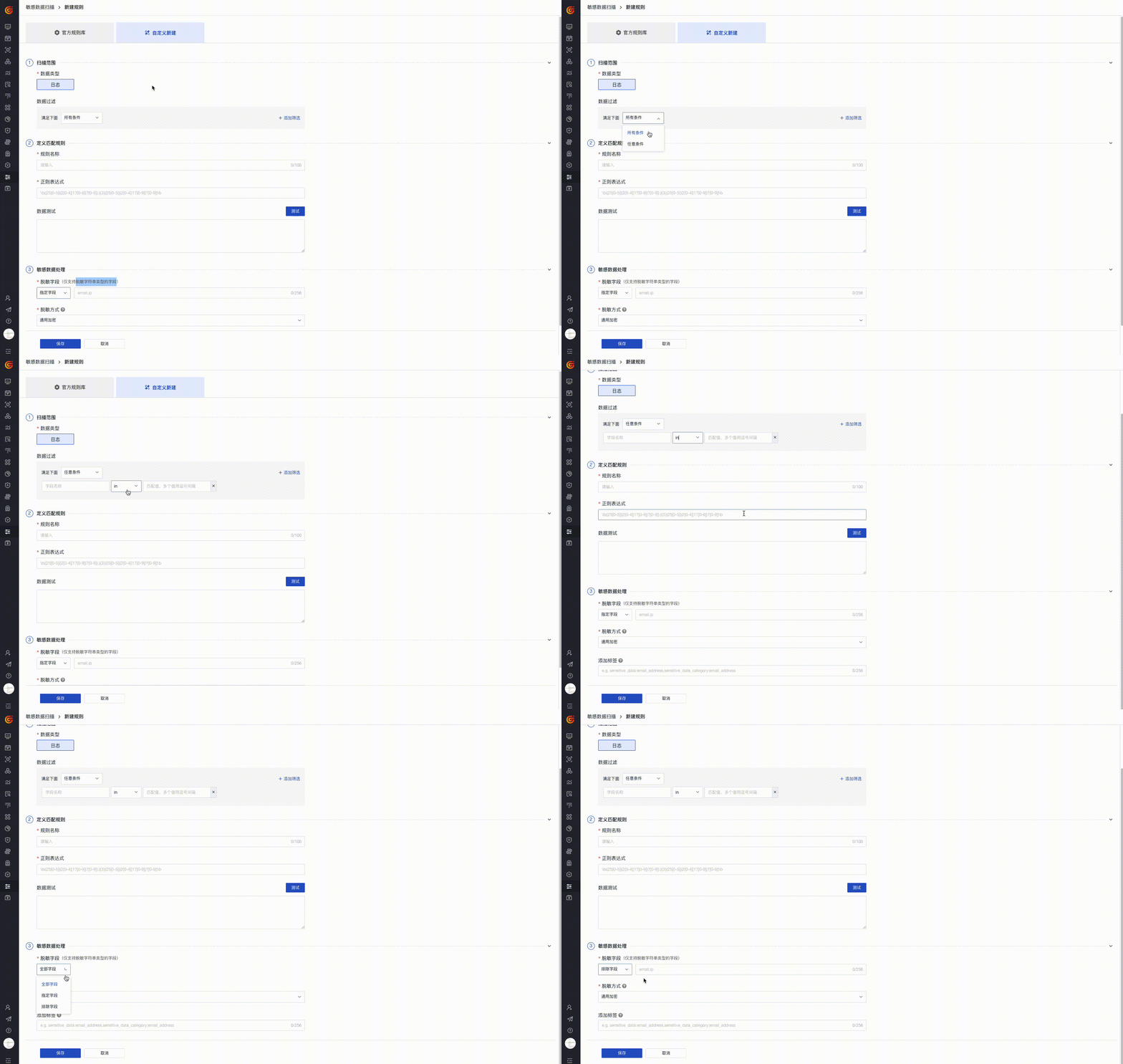
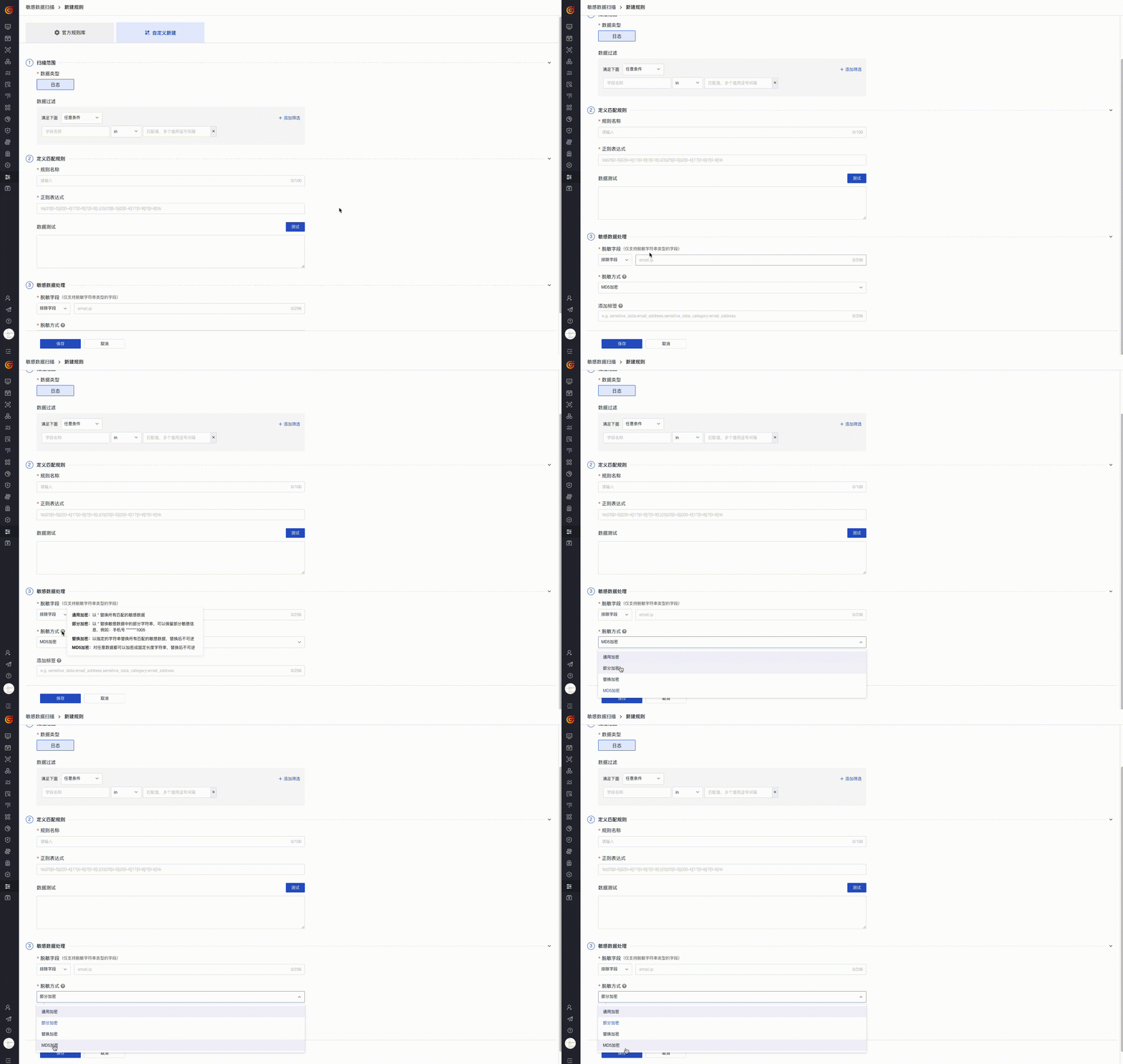
Select the relevant data range, indexes, fields, and filters before scanning. A scoped review helps security and platform teams understand where risk is concentrated and which records require stronger masking, access, or collection policies.
View documentation
Start with the data scope most likely to contain sensitive values
Use common detectors, then add rules for your own data model
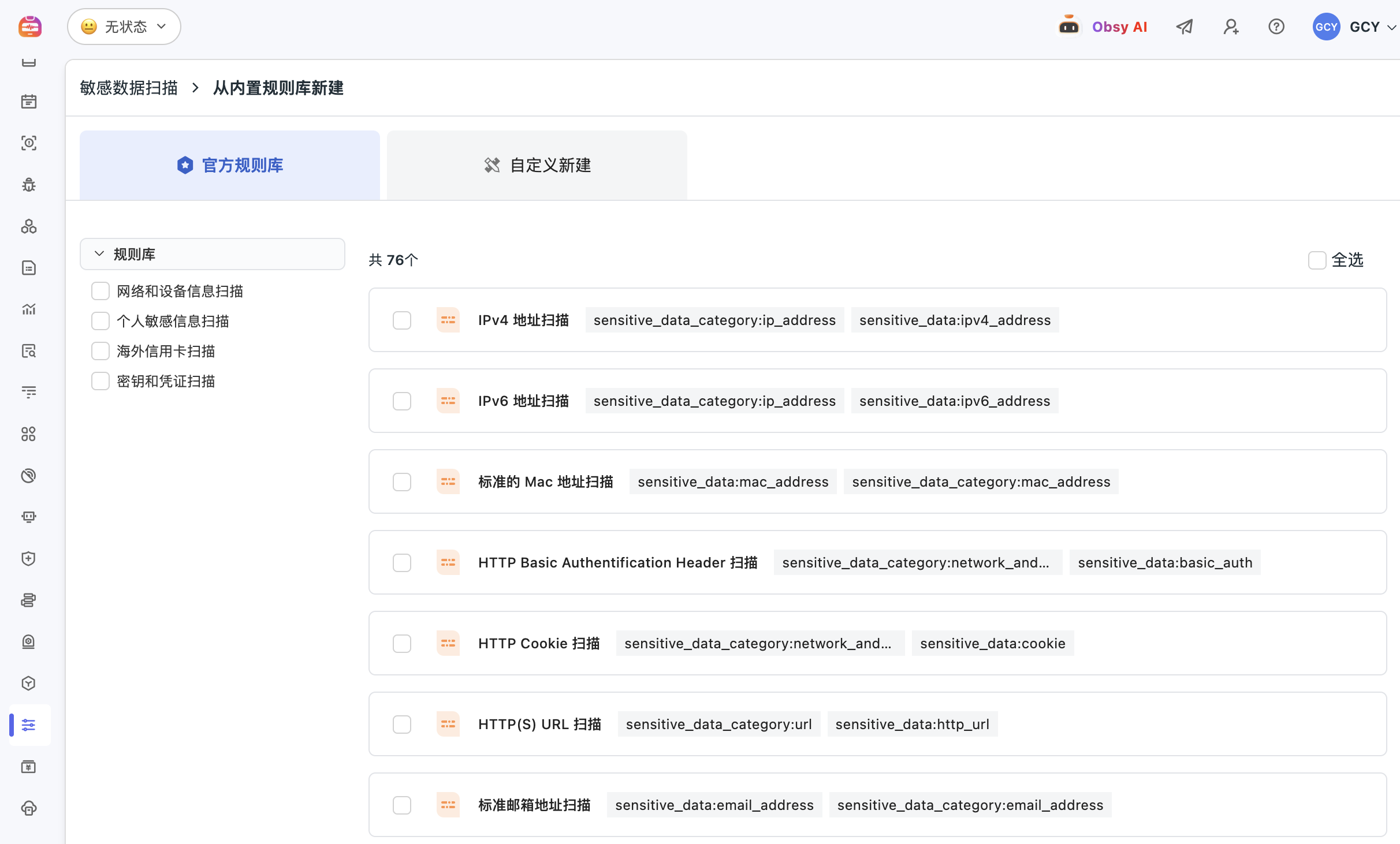
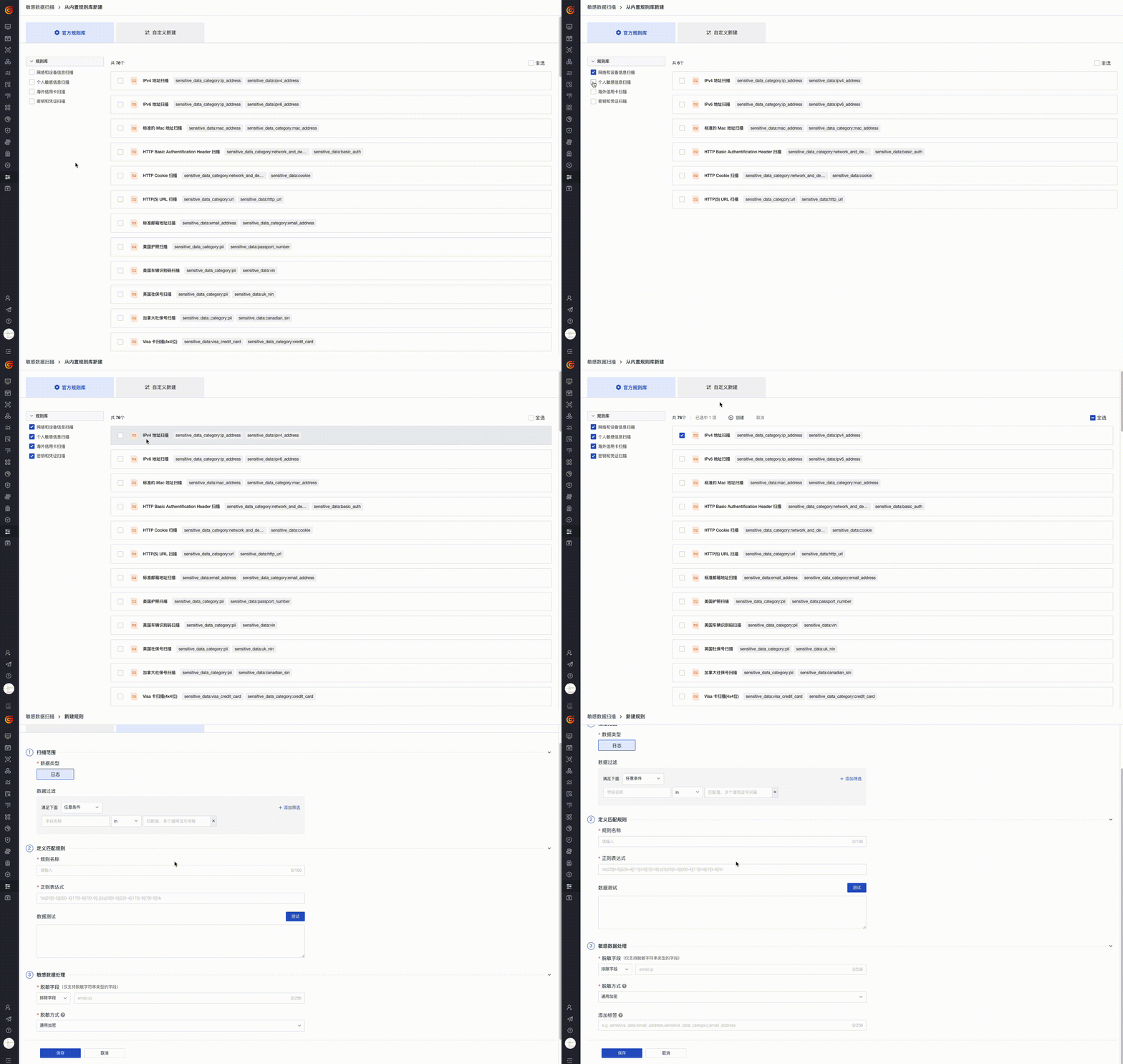
Apply available rules for personal information, accounts, credentials, tokens, payment data, and other recognised patterns, then add custom expressions for business-specific log formats. Validate matches before treating a rule as complete coverage.
View documentation
A finding needs a treatment path, not only a count
Use masking, replacement, Pipeline processing, access controls, or collection changes according to the data and workflow. Recheck shared snapshots, exports, and downstream retention paths so the original value does not remain exposed elsewhere.
View documentation
A finding needs a treatment path, not only a count

Frequently asked questions

Which values can Sensitive Data Scanner identify?

Configured rules can target common patterns such as phone numbers, identity values, accounts, tokens, credentials, payment data, IP addresses, and business-specific fields. Coverage depends on the enabled rules and selected data scope.

What should a team do after finding sensitive data?

Choose a treatment based on the risk: masking, replacement, Pipeline processing, tighter access, reduced collection, or a retention change. Validate the result in queries, exports, snapshots, and downstream systems.

Does scanning alone establish compliance?

No. Scanning is one control for discovering potential exposure. Compliance also depends on lawful collection, data minimisation, identity and access management, retention, audit, incident response, and the organisation’s applicable requirements.


Related reading

Continue from discovery to protection and governance

Connect scanning to logs, Data Access Control, Pipeline, documentation, and pricing.

Get started > View documentation > View pricing >