Linqu Intelligent Guance

Connect smart-locker communication, business APIs, app behaviour, and backend services in one evidence path

Smart-locker and MQTT monitoring
APM and RUM correlation
Business-signal anomaly analysis

Customer context

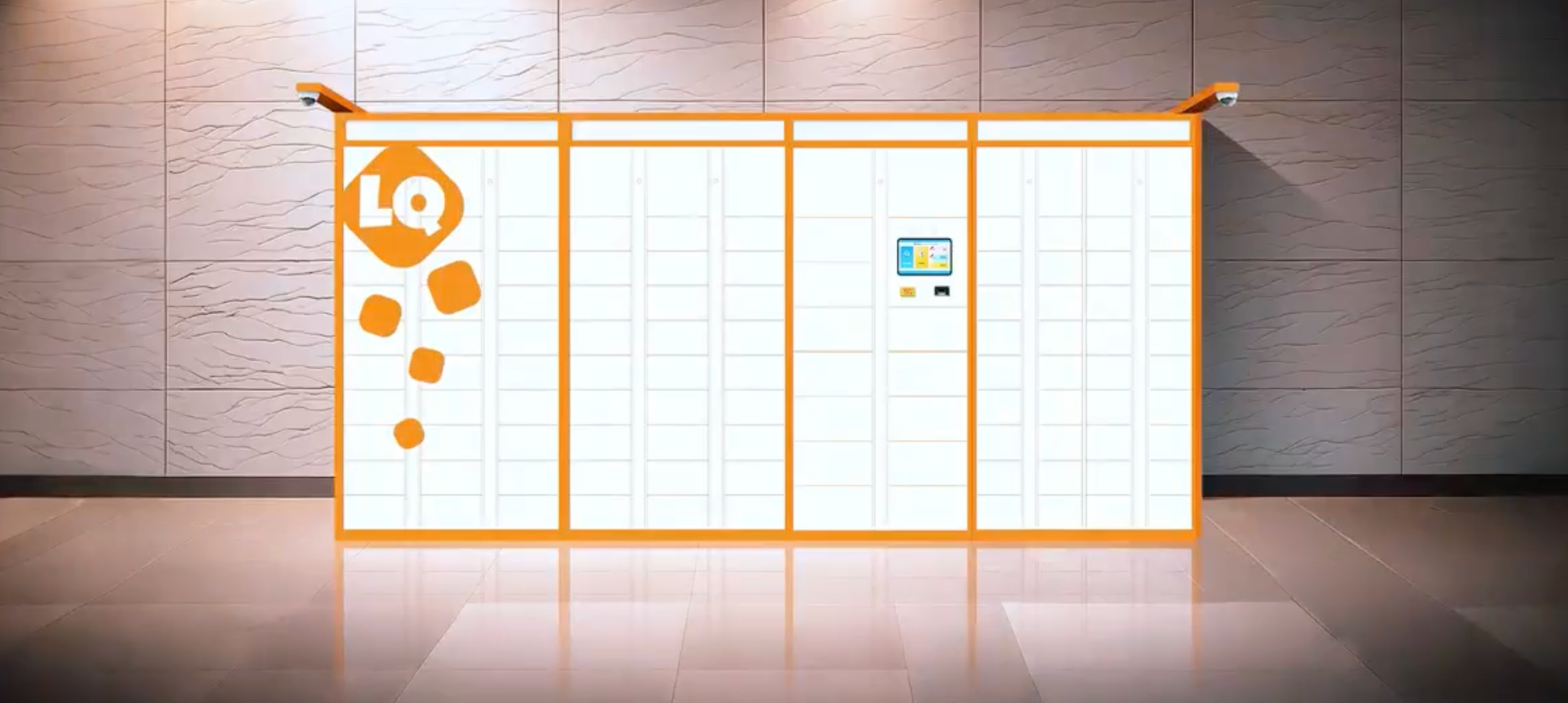
Linqu Intelligent develops and operates smart-locker systems. Its published story describes an IoT service path formed by connected terminals, last-mile logistics, and user applications.

As device and order workflows expanded, operating logs, device state, API calls, and user reports remained in separate systems, obscuring whether an anomaly began in terminal communication, a backend service, or user interaction.

Device and API data were dispersed

Operating logs, device state, and API calls were stored separately, forcing responders to log in to several systems and realign time windows.

Device and API data were dispersed

Terminal communication lacked continuous context

MQTT connections, lock state, API response, and locker-opening workflows needed common metrics and alert context.

Terminal communication lacked continuous context

User reports did not connect to backend evidence

For failed opening or scanning, user behaviour, application errors, and backend requests did not share a traceable relationship.

User reports did not connect to backend evidence

Implementation

Create one view from device to business path

Device communication, application APIs, infrastructure, and business signals entered one platform for investigation along the smart-locker workflow.

Create one view from device to business path

Review anomalies and historical trends

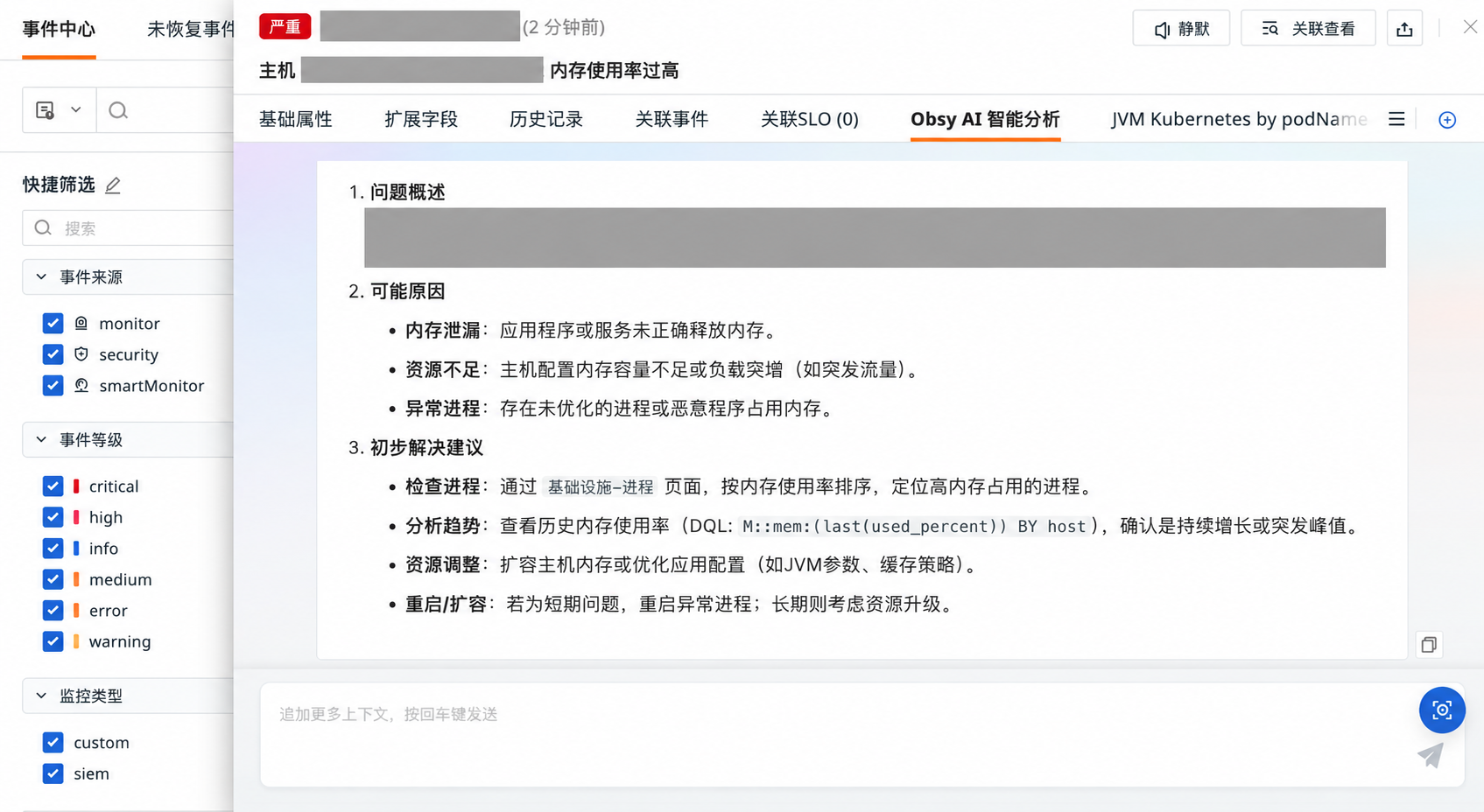
Obsy AI assisted analysis of terminal communication, lock-control, and business-signal trends; the team still validated findings against operational and field evidence.

Review anomalies and historical trends

Correlate app behaviour, APM, and RUM

Critical APIs entered APM and app experience entered RUM, allowing a user report to continue into crashes, request traces, logs, and backend service state.

Correlate app behaviour, APM, and RUM

What changed

Device and service data shared one entry point

Terminal state, communication, APIs, applications, and user experience could be checked in the same time range.

Anomalies gained trend and object context

An alert could be related to a smart locker, service, and business signal instead of remaining an isolated message.

User issues could follow the request path

Teams could move from an app symptom into the relevant API and backend evidence to narrow failed-opening and scanning investigations.

Frequently asked questions

Why does smart-locker monitoring include MQTT?

MQTT carries messages between terminals and backend services. Connection state, latency, and errors help separate device availability, network, message handling, and business-service causes.

How do APM and RUM connect a failed locker opening?

RUM supplies app actions and errors while APM shows the related backend request path. Consistent user, device, and request identifiers allow correlation with logs and service state.

Does Obsy AI automatically confirm the root cause?

No. It can surface anomaly trends and related signals. The team still validates a cause using device, network, application, business-rule, and field evidence.

More customer stories